
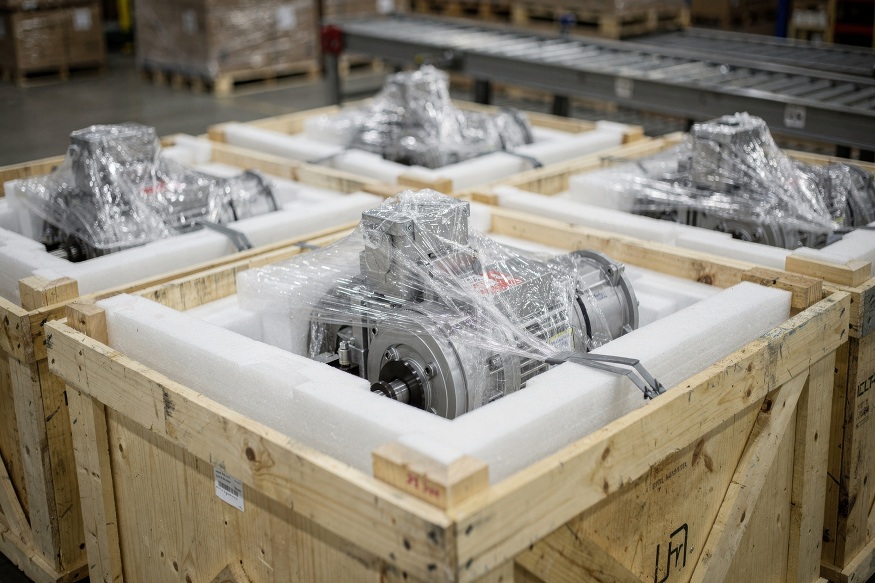
Foam stops injuries before they happen. Bicycle helmets, shipping boxes, car bumpers. This stuff absorbs hits that would otherwise break bones or destroy products. Yet nobody really thinks about how foam actually works its magic.
How Foam Protects What Matters Most
Take a hammer to concrete, and your hand feels everything. Put foam between them and the story changes completely. Each of the thousands of air pockets collapses one after another. It gains precious milliseconds by spreading out the impact. To your brain, it feels like a soft nudge rather than a harsh impact.
The magic lives in the structure. Air pockets work like microscopic springs. Crush them and they resist, then gradually give way. Force that would normally concentrate in one spot spreads across the entire foam surface. The energy converts to heat. However, this is imperceptible to you. High-speed cameras capture this cellular collapse as it unfolds. It showcases a stunning chain reaction of defense that occurs instantaneously.
Read More: Engineering Breakthroughs Powered by New Material Science Advancements
Safety Applications You Encounter Daily
Cars pack foam everywhere. Child safety seats layer different densities strategically. Soft foam cradles the body while firm foam handles crash forces. Side impact zones need completely different characteristics than front-facing protection. Testing facilities destroy thousands of prototypes finding the right mix.
Athletes trust their brains to foam. Football helmets stack multiple layers, each serving a purpose. Outer shells with dense foam eat up the big hits. Inner comfort foam keeps players focused on the game, not on an uncomfortable helmet. Skateboarding gear uses totally different formulations since concrete creates different impacts than player collisions. Every sport has its own foam recipe.
Hospitals couldn’t function without specialized medical foam. Ambulance stretchers prevent bedsores on long transfers, yet stay firm enough for emergency procedures. Surgical tables distribute weight for hours without creating pressure points. Patient comfort meets medical necessity through careful foam engineering.
The Science of Impact Absorption
Physics doesn’t care about your safety. Energy just wants somewhere to go. Smart foam design redirects violent energy into harmless heat and slow deformation. Getting the firmness right takes serious science. Squishy foam bottoms out too fast. Rock-hard foam might as well be concrete. The sweet spot saves lives.
Weather throws curveballs at foam performance. January cold turns flexible foam rigid. August heat makes firm foam mushy. To guarantee product performance across diverse climates, safety engineers conduct tests in freezers and ovens. Materials that endure these rigorous tests will ultimately safeguard individuals in actual environments. Chemistry keeps advancing foam capabilities. Some new formulations actually get harder during impacts, matching resistance to force automatically. Others fight bacteria growth or resist flames. Modern foam does way more than just cushion blows.
Innovation Driving Safer Products
Manufacturing keeps getting smarter about foam production. Expandable polystyrene suppliers such as Epsilyte develop specialized beads that become helmets, coolers, and car parts. With lighter and more absorbent new formulations, designers are able to craft sleeker protective gear that people are inclined to wear. Comfort and safety have achieved a balance.
Labs never stop experimenting. Computers predict how weird cell shapes might perform. Printers spit out test samples with impossible geometries. AI finds hidden patterns in accident data to suggest new safety measures. What was revolutionary yesterday is commonplace today and will be the foundation for future advancements tomorrow.
Read More: Why Modern Construction Standards Are Driving Demand for Cleaner, Smarter Solutions
Conclusion
People avoid catastrophe daily thanks to foam technology hidden inside everyday products. Extensive research over many years has yielded advanced, lightweight materials that go unnoticed by most people until a need arises. Ongoing research yields lighter, stronger, and more affordable foam. Improved manufacturing offers wider access to protection. Next time foam saves you from disaster, maybe you’ll appreciate the sophisticated engineering that made that lucky break possible.