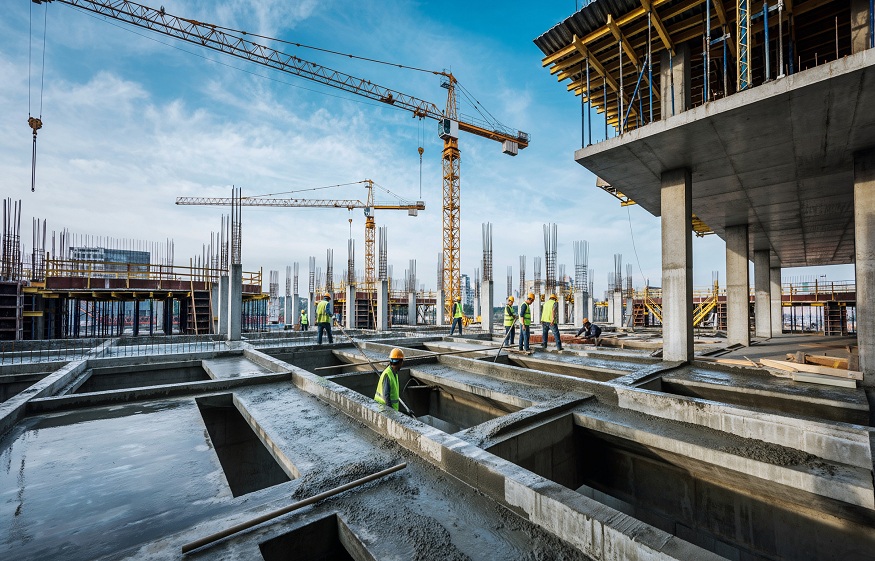
Every construction project fights the same battle. Deadlines loom. Budgets stretch thin. And somewhere along the way, someone asks why everything needs to be so heavy. It turns out it does not.
Heavy Materials Drag Everything Down
Concrete weighs a ton. Literally. So does steel, stone, and most traditional building materials. That weight creates a chain reaction of problems most people never think about. Trucks burn more fuel hauling fewer materials per trip. Cranes run longer. Foundations need beefing up just to support all that mass. Workers move slower and hurt themselves more often. And every one of those problems costs money. Some contractors just accept this reality. Others have started asking better questions. What if the materials themselves weighed almost nothing? What changes then? Almost everything, actually.
Read More: Why Modern Construction Standards Are Driving Demand for Cleaner, Smarter Solutions
Enter Expanded Polystyrene
EPS sounds fancy. It’s basically foam beads fused together under heat. Simple stuff. But that simplicity hides remarkable usefulness. An EPS chunk weighs 1% of an equal concrete chunk. A single worker lifts what would otherwise require machinery.
Here is what surprises people: light does not mean weakness. Highway engineers have used EPS under roads for years. It handles enormous loads without compressing or breaking down. Commercial buildings rely on it for insulation and structural fill. Houses use it in foundation systems, wall assemblies, and exterior details.
Fast Beats Slow Every Time
Contractors live and die by schedules. Miss a deadline and profit evaporates. Sometimes the entire job goes underwater. Lighter materials speed up every phase. Delivery trucks make fewer trips. Unloading happens in a flash. Installation moves quicker because nobody’s struggling under crushing weight. A project scheduled for four months might finish in three. That extra month matters. Crews move to the next job sooner. Financing costs drop. Owners start using their buildings faster. Speed wins bids too. When two contractors quote similar prices, the faster timeline usually takes the contract.
Your Supplier Can Make or Break You
Not all EPS is identical. The quality differs greatly based on the manufacturer and the strictness of their production methods. Bad materials cause job site headaches. Inconsistent density. Weird sizing. Shipments that arrive late or not at all.
Good suppliers prevent those problems before they start. When sourcing EPS beads for construction, experienced contractors look for manufacturers who’ve proven themselves over years and thousands of projects. Epsilyte is a good fit because contractors value its reliable products and transparent business dealings. Finding that kind of partner saves grief down the road.
More Uses Than You’d Guess
Builders keep dreaming up new applications. Geofoam is a lightweight alternative to dirt fill. Crews can construct walls with integrated insulation using insulated concrete forms. Moldings and trim designed to resemble carved stone are significantly less expensive than actual stone and offer comparable durability. Each use shares common ground. Lighter weight. Lower cost. Faster installation. The logic stays consistent even as applications multiply.
Read More: Engineering Breakthroughs Powered by New Material Science Advancements
Conclusion
The three pressures never disappear. Time. Cost. Weight. From start to finish, they are involved in every aspect of each project. However, the selection of materials may present some resistance. Expanded polystyrene won’t solve every construction challenge. Nothing does. Still, on projects where weight creates complications and schedules run tight, EPS deserves a hard look. The contractors who figure this out early gain advantages their competitors can’t easily match. Faster timelines win more bids. Lower costs protect margins. Lighter materials mean safer sites and less exhausted crews. Old habits die hard in construction. But the math does not lie. When three problems share one solution, that solution deserves attention.