
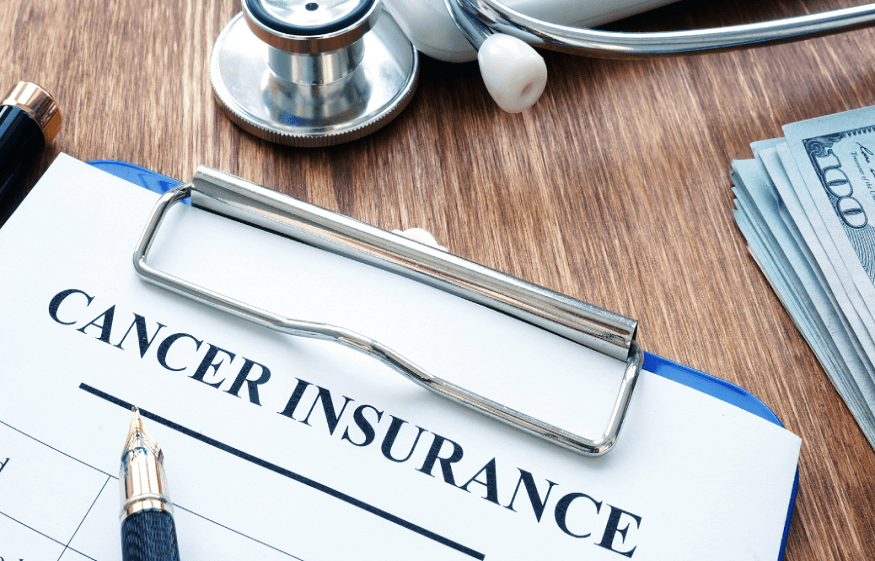
A cancer diagnosis can involve medical care over a period of time. Cancer insurance may provide benefits for specified cancer-related conditions, subject to the terms of the policy. If you are considering this type of cover, it helps to understand what the policy includes, when the benefit may apply, and what conditions come with it.
How Does Cancer Insurance Differ from Health Insurance?
A health insurance policy may cover eligible medical expenses such as hospitalisation and treatment, subject to its terms. Cancer insurance may provide a specified benefit, including a lump-sum payment, when a covered cancer condition is diagnosed, depending on how the policy is structured.
The amount payable, waiting period, eligibility requirements, and exclusions can vary between policies. So, do not assume that a cancer policy works like a regular hospitalisation policy. Read the policy wording to understand the benefit structure.
Why Does Early Detection Matter When You Are Looking at Cancer Cover?
Finding cancer early can make a difference to how it is diagnosed and treated. Screening can help find certain cancers before symptoms appear, while some cancers are found after a person notices symptoms and seeks medical advice. The right screening approach depends on the type of cancer and individual health factors.
If you have concerns about symptoms or screening, speak with a qualified healthcare professional. Your insurance policy can tell you what cancer-related benefits and conditions apply to your cover.
What Cancer Treatment Should You Know About?
Cancer treatment varies according to the type of cancer and other clinical factors. It may involve surgery, chemotherapy, radiation therapy, hormone therapy, targeted therapy, immunotherapy, or a combination of treatments.
Whether expenses related to a particular treatment are covered depends on the applicable policy. Check the policy wording for the stated coverage, limits, exclusions, waiting periods, and other conditions.
Which Policy Details Should You Check Before Choosing Cancer Insurance?
Instead of looking only at the benefit amount, check the conditions attached to it.
| Policy Detail | What to Check |
| Covered condition | How the policy defines the covered cancer condition |
| Waiting period | Whether a waiting period applies and to which benefits |
| Benefit amount | The amount payable and any applicable limits |
| Eligibility | Conditions that must be met for the benefit |
| Exclusions | Situations or conditions excluded under the policy |
| Claim documents | Documents and information required for a claim |
Policy documents also contain details such as coverage, exclusions, deductibles, sub-limits, and waiting periods.
How Does the Cancer Insurance Claim Process Work?
The process generally involves:
- Notify the insurer: Inform the insurer through the channel mentioned in your policy documents.
- Submit the claim form: Complete and submit the required claim form.
- Provide documents: Share the medical and other documents required for the claim, where applicable.
- Follow the stated process: Check the policy wording for the applicable steps, documents, and timelines.
What Should You Remember Before Buying a Policy?
Cancer insurance should be assessed on its actual terms rather than its name alone. Look at the covered condition, benefit structure, waiting period, exclusions, eligibility requirements, and claim documentation.
Your existing health insurance policy also deserves a separate review. Understanding what it covers, then comparing that with the terms of a cancer-specific policy, can show you where the two types of cover differ.
Conclusion
Cancer insurance can be useful to consider when you are reviewing your overall insurance needs. What matters is understanding what the policy is designed to provide and whether its terms fit your requirements. A clear understanding of the cover, before you purchase it, leaves less room for confusion about what the policy provides later.