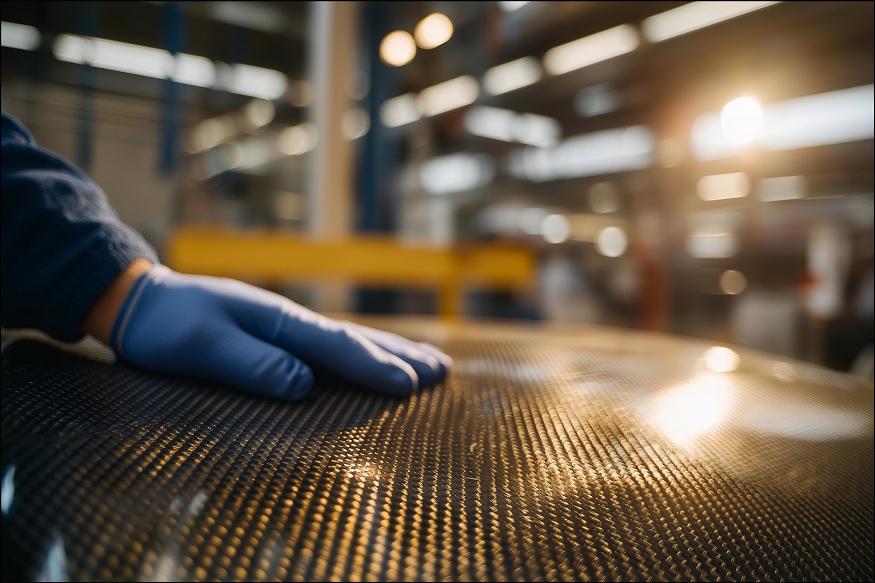

Walk by a construction site in America today. You’ll see recycling bins, quieter machinery, and workers with tablets instead of paper plans. The industry has been transformed since 2004. These changes were because of strict new rules. Builders had to adapt or fail.
The transformation runs deeper than what you see from the sidewalk. Buildings must hit tough energy targets now. They need healthier materials inside. They need to last decades longer than before. Contractors who ignore the new standards lose bids. Some face massive fines. The smart ones turned these headaches into profit opportunities.
Tighter Energy Codes Change Everything
Nothing escapes scrutiny anymore. Windows get special films that bounce heat away but still let you see outside. Walls need thick, high-performance insulation. Got a tiny gap around your electrical outlet? That’s a code violation. Inspectors use heat-sensing cameras to find unseen air leaks. They use fans to pressurize the building, finding gaps. Fail the test, and you’re ripping out drywall to fix problems.
Material makers scrambled to keep up with demand for better products. Someone figured out how to turn old blue jeans into green insulation materials that work better than fiberglass. Modern EPS foam is highly efficient, and manufacturers like Epsilyte recycle it. Glass that darkens in sunlight? It’s real. Wax capsules in drywall store heat during the day and release it at night. Crazy stuff that actually works.
Health and Safety Standards Get Stricter
Remember that new carpet smell? Turns out those fumes made people sick. Same with paint, glue, and dozens of other building materials contractors used forever. Now everything needs low-emission certification. Hospitals and schools enforce the strictest rules, but even strip malls must watch what goes inside their walls.
Mold terrifies builders more than anything else these days. One contamination lawsuit can bankrupt a company. So building codes demand moisture barriers everywhere. Contractors photograph every step and test moisture levels constantly. Documentation matters as much as the actual construction work.
Technology Becomes Essential
Those 3D building models contractors show clients. They’re not just for show anymore. Government projects demand them. The computer catches problems before they happen. Two pipes trying to occupy the same space? The software flags it instantly. Fixing that conflict in the model takes five minutes. Fixing it after installation takes five days and thousands of dollars.
Buildings basically run themselves now. Motion detectors kill lights when rooms empty out. Thermostats figure out when people arrive and leave, then adjust temperatures to match. A pipe starts leaking? Sensors that detect moisture before harm happens shut water valves off. All this data proves the building hits its efficiency targets year after year.
The Push for Longer Lifespans
Nobody builds for twenty years anymore. Current standards expect buildings to stand strong for fifty to one hundred years without major repairs. Regular concrete won’t cut it. Builders mix in plastic fibers for strength. Steel parts get special coatings. Wood gets replaced with composites that bugs and water can’t destroy.
Flexibility matters too. That office building might become apartments someday. The shopping center could transform into medical offices. So builders add extra electrical capacity, stronger floors, and walls that move without destroying the structure. Planning for changes that might happen decades later feels strange but makes financial sense.
Conclusion
Building codes will get tougher next year and the year after that. Climate worries and advancing technology guarantee it. Contractors who fight these changes won’t survive long. The ones who jump on board early grab the best contracts and highest profits. Today’s construction sites prove the industry can handle whatever regulations come next.