
Stone gave way to bronze. Bronze lost out to iron. Then came steel. Each shift changed what humans could build. Right now, another shift rocks the engineering world. Scientists cook up materials that shouldn’t exist according to old textbooks. Some weigh next to nothing but hold up buildings. Others twist into knots and then pop back to their original shape. A few even fix themselves when damaged. These oddball materials fuel engineering advances that seemed impossible just yesterday.
The Building Blocks Get Smarter
Today’s materials don’t just sit around doing nothing. Shape-memory alloys jump back to form when you heat them up. Apply electricity to polymers, and they will contract. No computers or controls are necessary. Bridges now tattle on themselves when something goes wrong. The construction material detects tiny cracks long before anyone notices a problem. Aircraft wings morph their shape mid-flight. Forget motors and gears. The wing skin itself shifts when conditions change, triggered by heat or electrical current.
Self-healing stuff exists outside science fiction movies. Scratch it, and hours later the mark vanishes. Concrete fills its own cracks. Plastics mend their own tears. Roads might have a 200-year lifespan. Shopping bags could last for decades. Materials that fix themselves change everything about how we think about durability.
Lighter, Stronger, Better
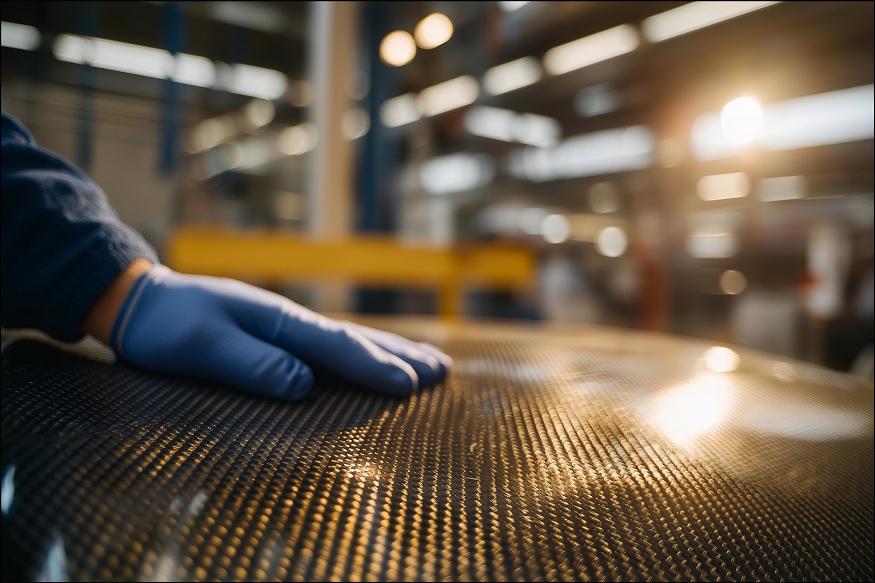
Every pound counts. Shave weight from a car, and it sips less gas. Lighten a runner’s shoes and watch records fall. Material scientists are fixated on this problem. Carbon fiber kicked things off, but that’s old news now. Graphene makes carbon fiber look chunky. This single-atom-thick material is stronger than steel. Scientists layer these sheets like metallic lasagna. The result? Bike frames lighter than your morning newspaper. Helmets that stop bullets without the weight penalty.
Composite material manufacturers like Axiom Materials work hard to mix up the next miracle blend. Ceramic meets plastic. Metal shakes hands with carbon. Glass dances with rubber. Each mixture brings surprises. One material might shrug off furnace heat while bending like a gymnast and carrying electricity like copper wire. Engineers used to pick between properties. Now they get them all in one package.
Aerogels blow minds with their ghostly appearance. Pick up a brick-sized piece and your brain struggles to process what your hand feels, or doesn’t feel. The stuff is 99.8% air in some versions. Solid smoke, some call it. Yet, this almost-nothing material insulates better than a down jacket and holds up ridiculous amounts of weight.
From Labs to Life
Lab discoveries that stay in labs help nobody. The magic happens when weird materials solve everyday headaches. Hip replacements were once short-lived. Ceramic versions last far longer than metal ones. Blood vessel stents vanish after they have done their work, dissolving safely. No second surgery to fish them out. Heart valves grown from materials that trick the body into thinking they belong there.
Your next phone might roll up like a fruit leather snack. Computers run faster and cooler with heat-shuttling materials. Battery materials charge incredibly fast. Charging your car might be quicker than fueling it.
Buildings defy logic now. Transparent aluminum might replace windows in next year’s skyscrapers. Wood gets special treatment that makes it stronger than steel beams. Concrete that strengthens over time. Skyscrapers might soon repair cracks, like how skin heals.
Conclusion
Material science flips engineering upside down and shakes out breakthroughs daily. Yesterday’s impossibility becomes tomorrow’s boring product on store shelves. Engineers stopped asking whether something could exist. They ask which crazy new material will make it work best. Self-healing concrete competes with transparent metal for headlines. Flying cars might finally happen just because materials got good enough. The fun part? This revolution just started warming up.