Every safe landing traces back to a decision made long before the first passenger buckles in. Not about the route. Not about the weather. About materials. What goes into a plane counts every bit as much as the crew flying it. Nail those choices and the aircraft holds up for decades.
Why Material Choice Rules Everything
A plane leads a rough life. It climbs into bitter cold air, drops back into warm skies, then turns around and does it again. And again. Day after day. Every trip tugs and crushes the metal and fiber keeping it whole. A good material brushes all that off. A bad one gives up and cracks.
Read More: How Chemistry Is Shaping the Future of Energy Storage
Weight sits dead center in every call. Haul around a heavier plane and you burn more fuel and pay more to fly. A lighter one trims the cost on every mile. But light can’t slide into weak. Engineers walk a tightrope here. They want the lightest thing that still stands firm under savage stress. Get that balance wrong and an airline watches its profits leak away.
The Rise of Composites
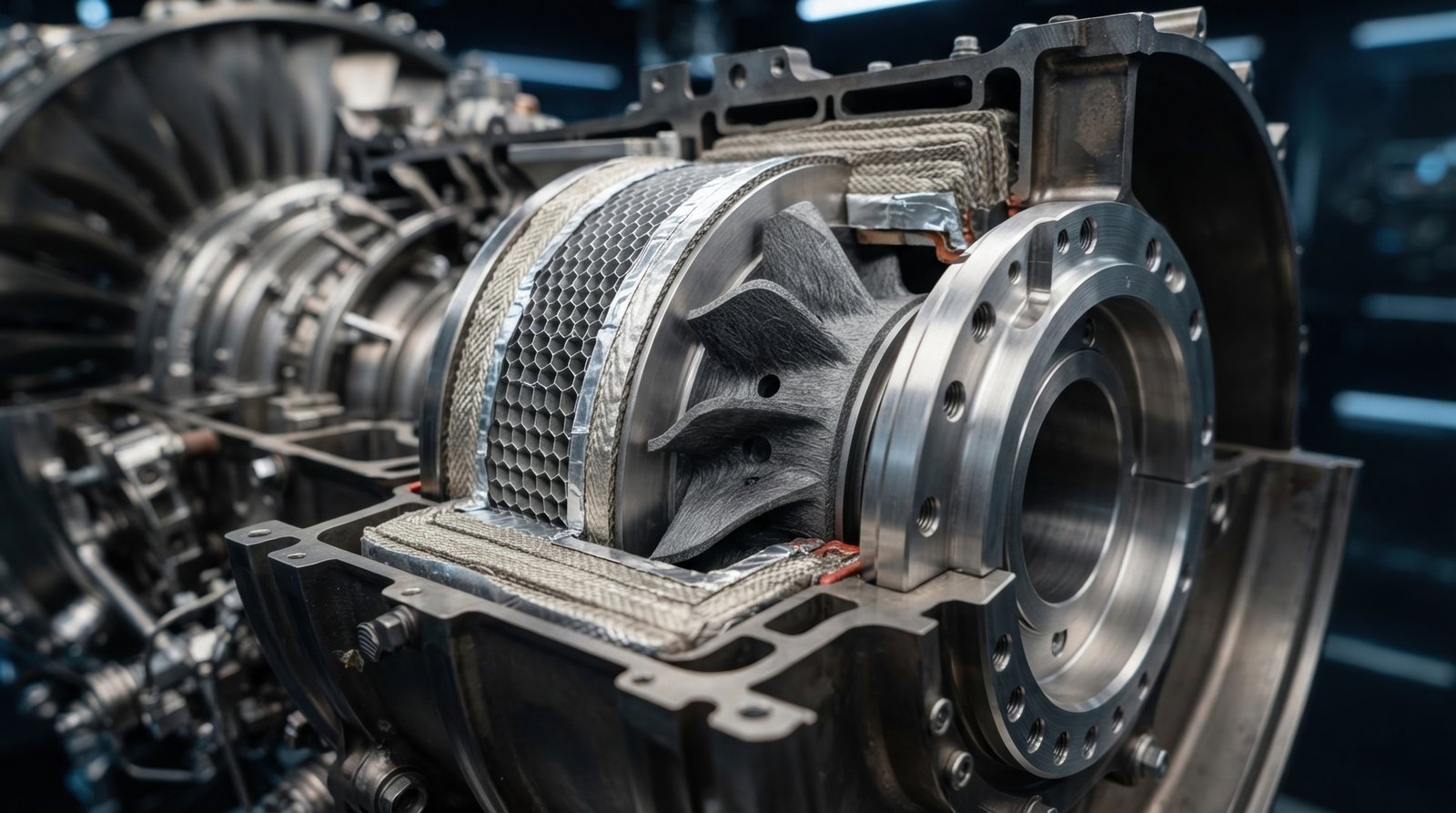
Metal called the shots for ages. Aluminum was cheap and bent into shape without much fight, so builders relied on it. Then composites showed up and flipped the whole thing. Here’s the trick behind a composite. Combining two materials yields a superior result. Picture skinny carbon threads woven like fabric, then sealed in tough resin and baked hard. The result weighs close to nothing, yet flat out refuses to fold or snap. Wings, tails, big slabs of the body all lean on it now.
Sorting out the best aerospace composite materials for aircraft manufacturing takes serious know-how. Trusted names like Axiom Materials help builders track down strong, light options they can trust, which lets designers push their planes farther than before. The reward shows up as longer flights and slimmer fuel bills.
Handling Heat and Cold
A plane bounces between crazy temperatures. Way up high, the air bites cold. Down near the engines, it gets blistering. A material that stays tough in one spot might fall apart in the other. So engineers throw everything at their materials. They freeze parts solid. They bake them. Then they check whether the shape held. A few materials take both extremes without so much as a flinch. Those make the plane. The ones that warp or split get kicked out early, way before they’d ever see the sky.
Testing That Never Quits
Picking a material is just the opening move. Proving it holds up drags on much longer. Crews bend parts, twist them, and pile on loads far beyond anything a normal flight would dish out. Then come the fatigue tests. A part might shrug off one hard shove no problem. But a million shoves across twenty years? That’s a different story. Machines flex the same piece over and over until it either breaks or earns its stripes. Only the survivors make the cut.
The Cost of Getting It Right
Good materials cost real money. So does every round of testing. Builders and airlines pour out a fortune before anyone clicks a seatbelt. Cutting corners here, though, would cost a whole lot more. A smart material choice pays off for years through lower fuel use and fewer trips to the repair bay. It keeps people alive too, and no price tag touches that.
Conclusion
Every good flight rests on quiet choices hashed out in design rooms and testing labs. The right materials keep planes light, strong, and safe across thousands of trips. Those material calls, made with care and tested hard, are the very thing carrying everyone home safely.
Read More: MTF Stocks List: Understanding Eligible Securities